

Interior Design Styles Explained: Different Types and Design Approaches
There are many interior design styles, but only one should define your home: the one that feels right to you.
When homeowners explore different interior design styles, they often feel overwhelmed. Modern. Contemporary. Coastal. Transitional. The list goes on. The key is not choosing what is trending. The key is choosing what fits your lifestyle, your architecture, and your vision.
Understanding the main types of interior design styles helps you make confident decisions and avoid expensive design mistakes. Let’s break them down clearly.
Modern Interior Design
Modern is one of the most recognized styles of interior design. It focuses on clean lines, open layouts, and minimal decoration.
You’ll see neutral palettes, natural materials, and simple forms. This style works beautifully in homes with large windows and open floor plans. It creates calm, balance, and clarity.
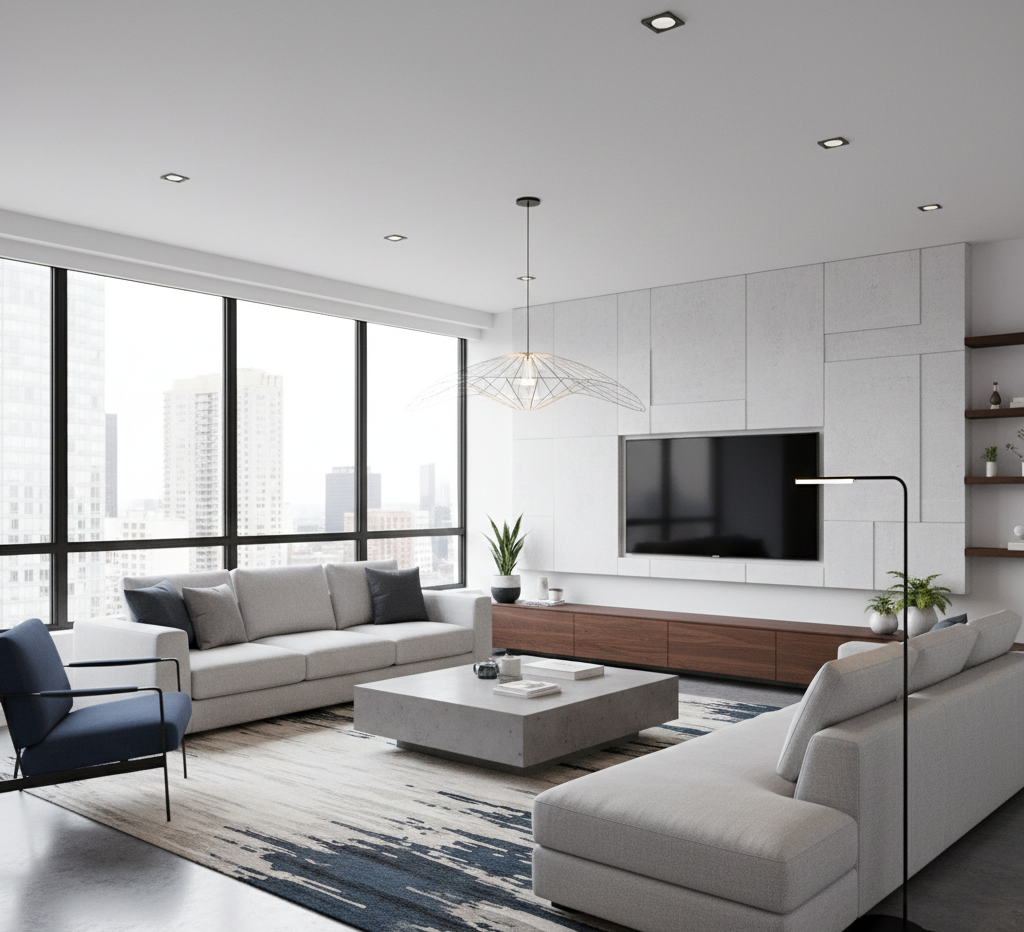
This style is defined by:
Clean, straight lines
Open floor plans
Neutral color palettes
Natural materials like wood, glass, and stone
Minimal decorative accessories
Modern interiors often use contrast to create interest. Light walls paired with darker accents. Smooth finishes balanced with subtle texture.
Furniture tends to have sleek silhouettes with little ornamentation. Storage is integrated and discreet. Lighting plays a major role, often featuring architectural fixtures that double as statement pieces.
Modern design works especially well in homes with large windows and strong architectural features. It enhances natural light and creates a calm, organized atmosphere.
Contemporary Interior Design
Contemporary is often confused with modern, but they are not the same. Among the different interior design styles, contemporary design evolves with current trends.
It mixes textures, combines soft curves with strong lines, and feels fresh without being cold. It offers flexibility and sophistication.
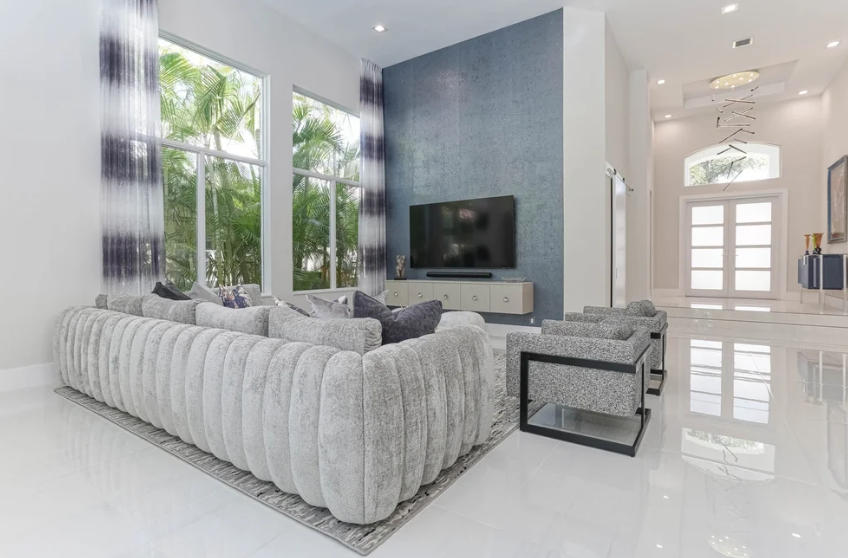
Contemporary interiors typically include:
Soft curves mixed with clean lines
Layered textures
Neutral bases with bold accents
Open and airy layouts
Sculptural lighting
Unlike modern design, contemporary spaces often feel warmer. Fabrics are softer. Color palettes may include deeper tones like charcoal, navy, or earthy hues.
This style allows more flexibility. It adapts to the present moment while remaining refined. Art and statement furniture often become focal points.
Contemporary design is ideal for homeowners who want elegance with personality. It feels current without looking temporary.
Coastal Interior Design
Coastal design is one of the most popular interior design styles in South Florida. It reflects light, openness, and relaxed elegance.
Soft blues, sandy neutrals, natural fibers, and breathable spaces define this look. It is not about themed décor. It is about creating a refined environment inspired by the ocean and natural light.
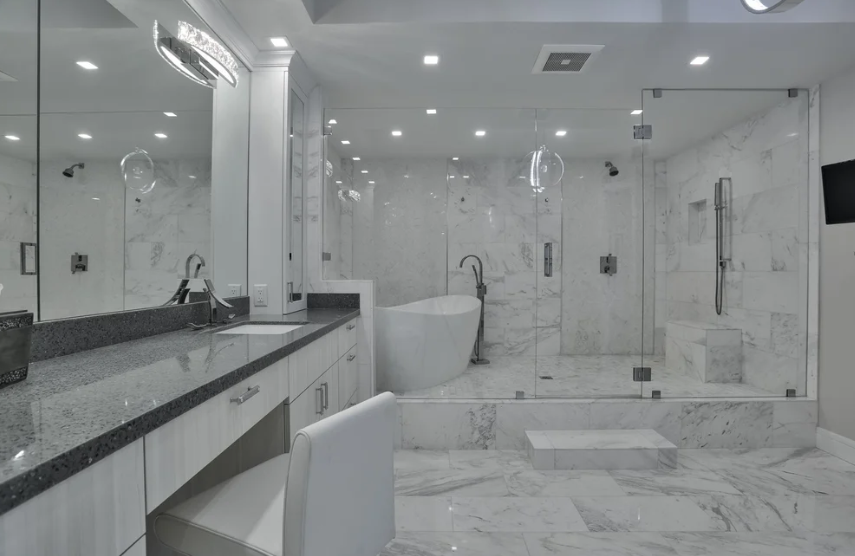
Key elements include:
Light and airy color palettes
Soft blues, whites, sandy neutrals
Natural textures like linen, rattan, and wood
Open layouts that enhance natural light
Seamless indoor-outdoor connection
The goal is to create a breathable space. Rooms feel fresh and effortless. Windows are often unobstructed. Furniture feels comfortable but elevated.
In luxury homes, coastal design becomes more refined. Clean lines replace overly rustic details. Materials are elevated. The result feels elegant rather than casual.
This style works beautifully in homes that embrace natural light and outdoor living.
Transitional Interior Design
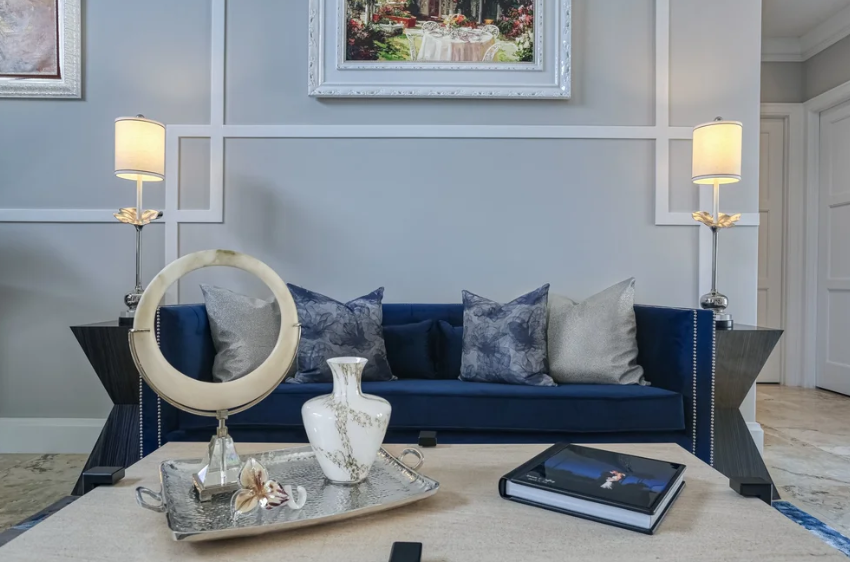
Transitional blends traditional and modern elements. It is one of the most balanced types of interior design styles.
Classic shapes meet updated finishes. Neutral palettes dominate. The result feels timeless, elegant, and adaptable.
It combines:
Classic architectural details
Updated finishes
Neutral, cohesive palettes
Tailored furniture
Subtle patterns
Transitional spaces feel timeless. They are not overly ornate, yet not stark or minimal. Moldings, paneling, and symmetry may reference traditional design, while furniture and lighting keep the look current.
This style offers flexibility. It allows homeowners to incorporate heirloom pieces alongside contemporary elements without conflict.
Transitional interiors feel polished, comfortable, and enduring. They rarely go out of style.
Choosing Between Different Interior Design Styles
Knowing the main styles of interior design is only the first step. The real transformation happens in execution.
A professional designer ensures that your chosen style flows from room to room. Proportion, lighting, texture, and scale must work together. Without cohesion, even the most beautiful design concept falls apart.
Your home should not look pieced together. It should feel intentional.
Every one of these interior design styles can be stunning when done correctly. The difference lies in the details.
If you want to see how these different interior design styles come to life in real homes, explore our portfolio and discover how we translate concepts into refined living spaces.
